
prenatal yoga in arvada, co
Move, Breathe, and Connect Through Pregnancy
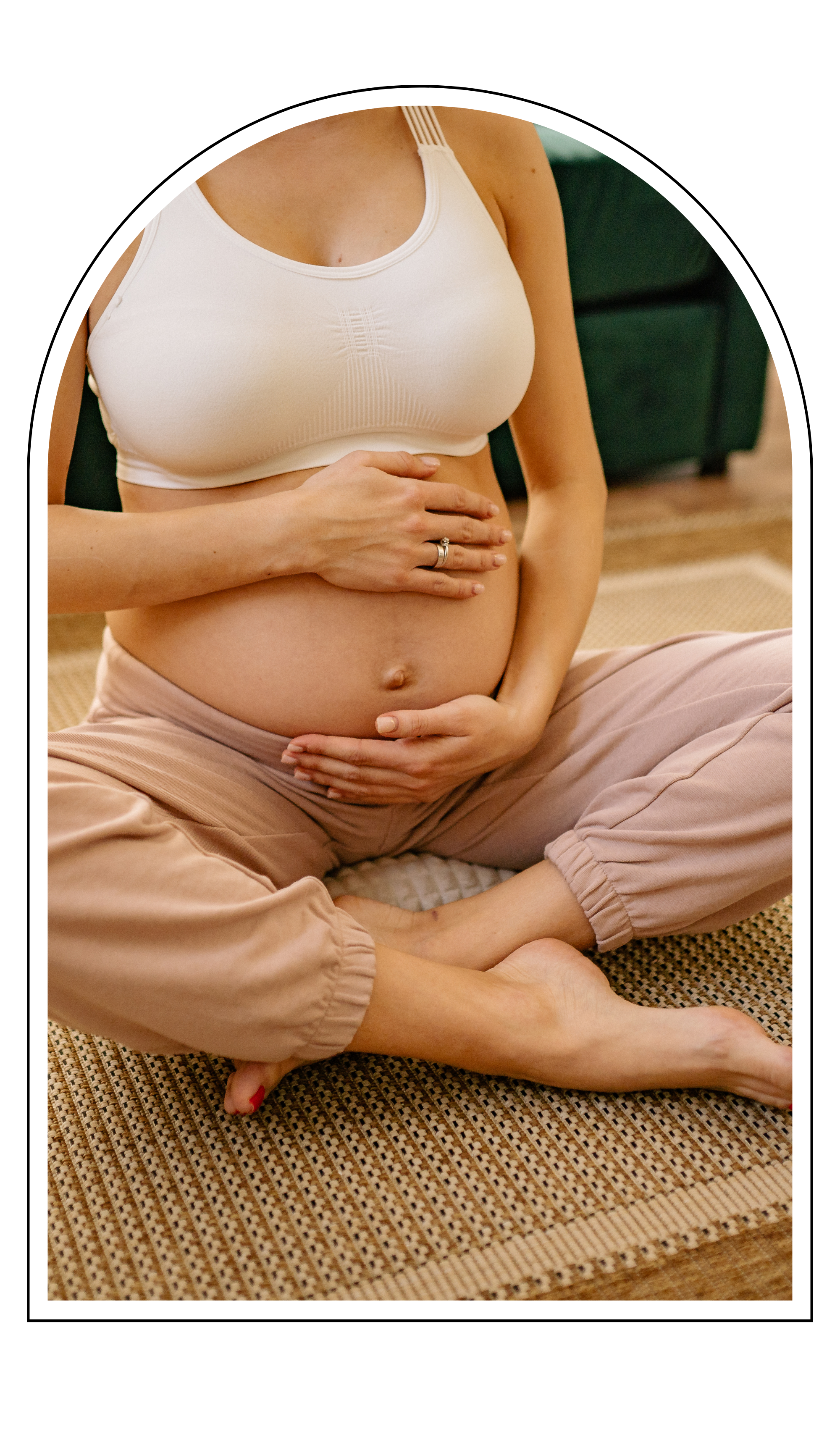
Community Prenatal Yoga
Tuesdays 12:00-1:00 pm
Movement Phiso & Wellness in ArvadA, CO
Prenatal yoga offers a supportive space to care for your changing body and mind throughout pregnancy. Regular practice can help ease common pregnancy discomforts, maintain strength and mobility, support healthy breathing and relaxation, and cultivate greater body awareness. It can also provide an opportunity to slow down, connect with your baby, and build confidence as you prepare for birth and the transition into parenthood.
What to expect at prenatal yoga-
Gentle movement to support strength, mobility, and comfort throughout pregnancy
Adaptations to meet the needs of your changing body through every stage of pregnancy
Breathwork and mindfulness practices to encourage relaxation and nervous system regulation
Pelvic floor and core awareness to support a healthy pregnancy and birth
A welcoming, non-judgmental environment for all experience levels
prenatal yoga
Frequently Asked Questions
-
For most healthy pregnancies, prenatal yoga can be a safe and supportive way to stay active, connect with your body, and prepare for the physical and emotional changes of pregnancy. Prenatal yoga is specifically adapted for pregnancy, with modifications that accommodate your changing body and avoid positions or practices that may not be appropriate during pregnancy.
That said, every pregnancy is different. It's important to follow the guidance of your prenatal care provider, particularly if you have a high-risk pregnancy, complications, or specific medical concerns. You can also communicate with your yoga teacher about any symptoms, limitations, or changes you're experiencing.
Prenatal yoga isn't about pushing yourself or maintaining the same practice you had before pregnancy. Instead, classes emphasize mindful movement, breath, rest, and learning to listen to your body's changing needs. The goal is to help you feel more comfortable, connected, and supported throughout pregnancy.
-
If have questions about when to begin or whether prenatal yoga is appropriate for you, I always recommend speaking with your prenatal care provider. Every body is different. There isn't one right time to begin.
You also don't need to practice every day to experience benefits. A weekly prenatal yoga class can provide consistency while giving you space to connect with your body and learn movements you can use throughout pregnancy.
Your needs may change significantly from trimester to trimester. You might feel energized and want more movement one week and need more rest the next. Prenatal yoga encourages you to work with those changes rather than pushing through them.
The most valuable practice is one that feels supportive and sustainable for you. Pregnancy isn't about maintaining your pre-pregnancy routine, it's an opportunity to learn how to listen to and trust your changing body.
-
Prenatal yoga can support both physical and emotional well-being during pregnancy. Gentle movement may help ease common pregnancy discomforts such as back tension, tight hips, muscle aches, and general stiffness while supporting mobility and strength as your body changes.
Prenatal yoga can also provide an opportunity to slow down and reconnect with your body during a season that can feel physically and emotionally demanding. Breathwork, relaxation, and mindful movement may help reduce stress and support nervous system regulation, while creating intentional space to check in with yourself and your changing needs.
Prenatal yoga provides space to cultivate greater body awareness, confidence, and trust in your body's ability to adapt. Classes may also incorporate practices that support preparation for birth, such as breath awareness, grounding, movement, and finding comfortable positions.
The goal isn't to achieve a particular level of fitness or flexibility. It's to create a supportive practice that helps you feel more at home in your changing body.
-
Yes. Pregnancy can bring a wide range of emotions, including excitement, uncertainty, fear, and anxiety. Prenatal yoga offers intentional time to step away from the demands and information surrounding pregnancy and reconnect with yourself.
Gentle movement, conscious breathing, and relaxation practices can support nervous system regulation and create opportunities to slow down when your mind feels busy or overwhelmed. Rather than trying to eliminate difficult emotions, prenatal yoga can help you develop greater awareness of what you're experiencing and practice responding with compassion.
For some people, the value of prenatal yoga is simply having dedicated time each week to pause, breathe, and check in with their body. This can be especially meaningful during pregnancy, when your body and identity are changing so quickly.
Prenatal yoga is not a substitute for mental health treatment when anxiety is persistent or significantly affecting your daily life. However, it can be a valuable complement to other forms of support and a meaningful practice for cultivating calm, connection, and self-awareness during pregnancy.
-
Prenatal yoga can help you develop skills that may be useful during labor and birth, including breath awareness, relaxation, body awareness, mindful movement, and the ability to notice and respond to physical sensations.
Rather than focusing on a particular type of birth or promising that yoga will lead to a specific outcome, prenatal yoga can help you build confidence in your ability to listen to your body and adapt to changing circumstances. Practices such as grounding, conscious breathing, movement, and finding supportive positions can give you tools to draw on during pregnancy and birth.
Prenatal yoga can also help you become more familiar with your body's sensations and your ability to soften areas of tension while staying present. These skills aren't about controlling your birth experience, they're about developing greater trust, flexibility, and connection with yourself.
Birth can be unpredictable, and your practice is not about preparing for a "perfect" birth. It's about cultivating resources that can support you through whatever your birth experience brings.
-
Absolutely! Previous yoga experience is not required to participate in prenatal yoga. In fact, I find that many students find yoga for the first time during pregnancy. Prenatal yoga classes offer options that are designed to meet you where you are, whether you're completely new to yoga or have practiced for years.
Prenatal yoga is less about flexibility or performing traditional yoga poses and more about learning to move, breathe, and connect with your body in a way that feels supportive during pregnancy. You'll be guided through modifications and encouraged to listen to your own body's signals.
If you're new to yoga, prenatal classes can be a particularly approachable way to begin because the practice is already designed around the changes of pregnancy. You can develop body awareness, breathing skills, and simple tools for relaxation without needing to have an established yoga practice.
Your practice may look different from week to week, and that's okay. Pregnancy is a constantly changing experience, and prenatal yoga offers space to honor those changes rather than work against them.
-
A prenatal yoga class typically includes gentle movement, breathwork, relaxation, and opportunities to connect with your body. Poses and sequences are modified to support the physical changes of pregnancy. You'll be encouraged to choose variations that feel comfortable and appropriate for your body.
Classes may include movements that support mobility and strength, stretches for common areas of tension, grounding practices, and breathing exercises. Depending on the class, there may also be time for rest, meditation, or reflection.
You don't need to be flexible or experienced with yoga. Prenatal classes are designed to be accessible and welcoming, and you're always encouraged to listen to your body and take rest when you need it.
You can expect a supportive, non-judgmental environment where your practice can change alongside you.